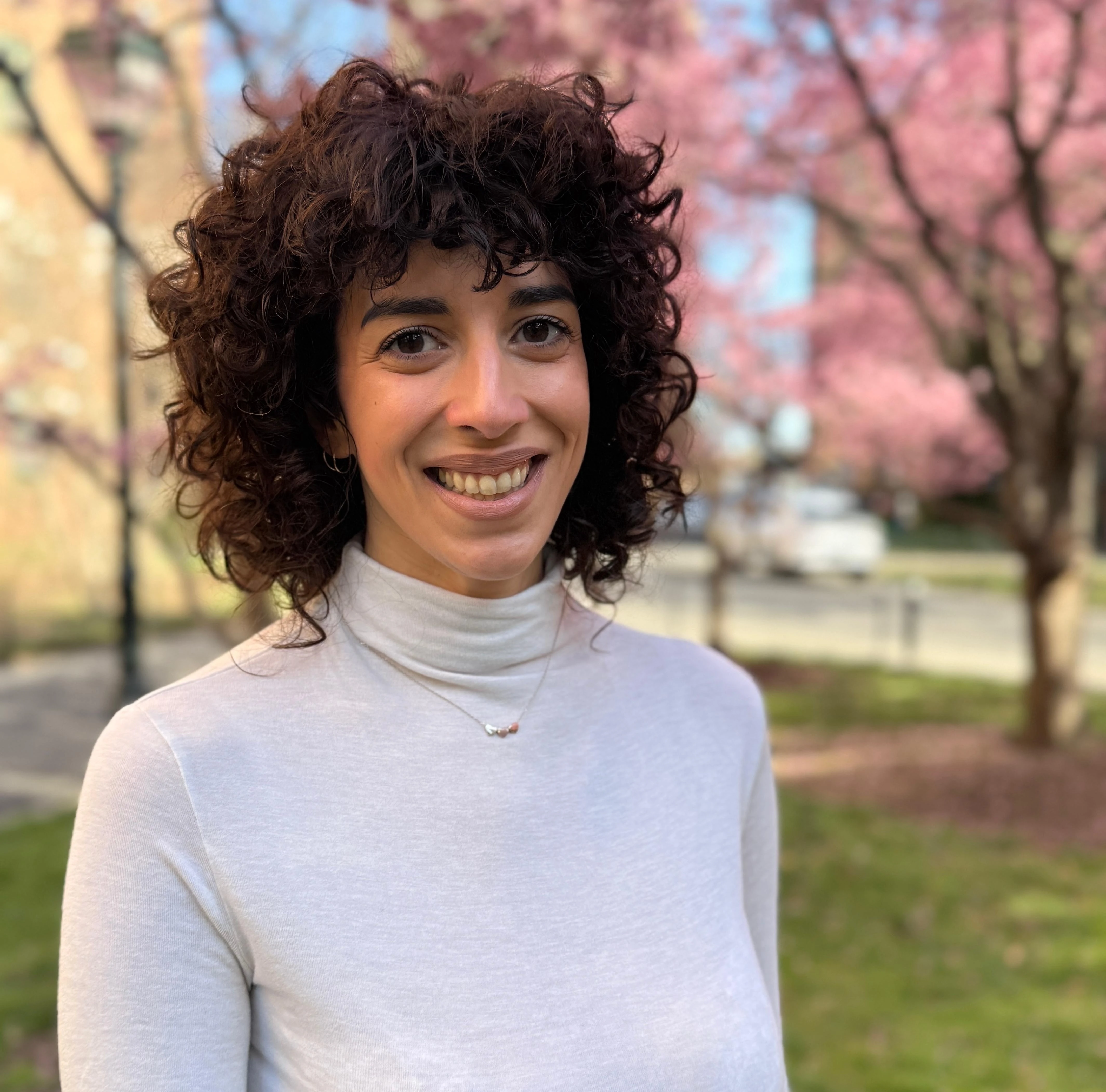





Giorgia Bertoli, New York University, USA
-
On 18 September 2026Amphi DEfalse false
-
11h30
Cardiomyocyte PKP2 Deficiency Drives Cardiac Aging and Senescence: Implications for Arrhythmogenic Cardiomyopathy
Cardiomyocyte PKP2 Deficiency Drives Cardiac Aging and Senescence: Implications for Arrhythmogenic Cardiomyopathy
Giorgia Bertoli, PhD,
The Leon Charney Division of Cardiology,
New York University Grossman School of Medicine, New York, USA
Biography
Giorgia Bertoli earned her MSc in Biology Applied to Biomedical Research and her PhD studying the molecular mechanisms underlying sinus node dysfunction at the University of Milan. In 2022, she joined NYU Grossman School of Medicine as a Postdoctoral Fellow in Dr. Mario Delmar’s laboratory. Her research focuses on the molecular mechanisms underlying plakophilin-2-associated arrhythmogenic cardiomyopathy, integrating cardiac electrophysiology, advanced imaging, and multi-omics approaches to investigate the mechanisms linking genetic defects to cardiac disease progression.
Abstract
Pathogenic variants in PKP2 are the most common genetic cause of familial arrhythmogenic ventricular cardiomyopathy (PKP2-ARVC), a disease associated with ventricular arrhythmias and sudden cardiac death in young individuals. As with many inherited cardiomyopathies, the molecular mechanisms linking PKP2 deficiency to disease progression remain incompletely understood.
Using a tamoxifen-inducible, cardiomyocyte-specific PKP2 knockout mouse model (PKP2cKO), together with advanced imaging, multi-omics, and molecular analyses, we identified multiple hallmarks of premature aging in cardiomyocytes. Furthermore, we demonstrate that cardiomyocyte-specific loss of PKP2 is sufficient to induce a non-cell-autonomous, pro-inflammatory senescent phenotype in neighboring non-myocytes, ultimately promoting premature cardiac aging.
Our findings establish a previously unrecognized link between desmosomal arrhythmogenic cardiomyopathy and premature cardiac aging, suggesting convergence with molecular pathways implicated in aging and neurodegenerative diseases, and providing new perspectives on PKP2-ARVC pathogenesis.