Cerebral small vessel disease (cSVD) encompasses pathological processes affecting small cerebral vessels, visible on MRI and increasingly common with age. It is a major vascular contributor to cognitive decline and dementia and substantially increases the risk of both ischemic and hemorrhagic stroke. Although more than 70 genetic loci have been associated with cSVD, the underlying molecular mechanisms remain unclear, and specific biomarkers or mechanism-based treatments are still lacking. My work aims to identify a multi-omic molecular signature of cSVD to inform biomarker discovery and therapeutic development. We first investigated proteomic determinants of the two most common MRI markers of cSVD, white matter hyperintensities and perivascular spaces. We identified a robust proteomic signature, mainly in cerebrospinal fluid and validated across fluids and ancestries, with strong enrichment for extracellular matrix and immune-response pathways. Most associated proteins also predicted increased risk of stroke and dementia, and several opportunities for therapeutic repositioning emerged. Second, we performed the first epigenome-wide association study of an extreme composite cSVD phenotype using methyl-C capture sequencing. The identified epigenetic signature included CpG sites already associated with early white matter microstructure alterations in young adults, highlighting pathways such as axogenesis. A particularly strong signal involved methylation of the SH3YL1 promoter, a gene in the RhoGAP-GTPase pathway implicated in neurodevelopment and neurodegeneration. Finally, we used Mendelian randomization to investigate whether GLP-1 receptor agonists, a new class of antidiabetic drugs, influence the risk of stroke, dementia, and MRI markers of cSVD. We observed a protective effect for stroke and Alzheimer-type dementia in both European and East-Asian populations, but no association with MRI-defined cSVD. Together, these multi-omic analyses contribute to a more integrated understanding of the biological mechanisms underlying cSVD and highlight promising avenues for biomarker discovery and therapeutic development.
Biography
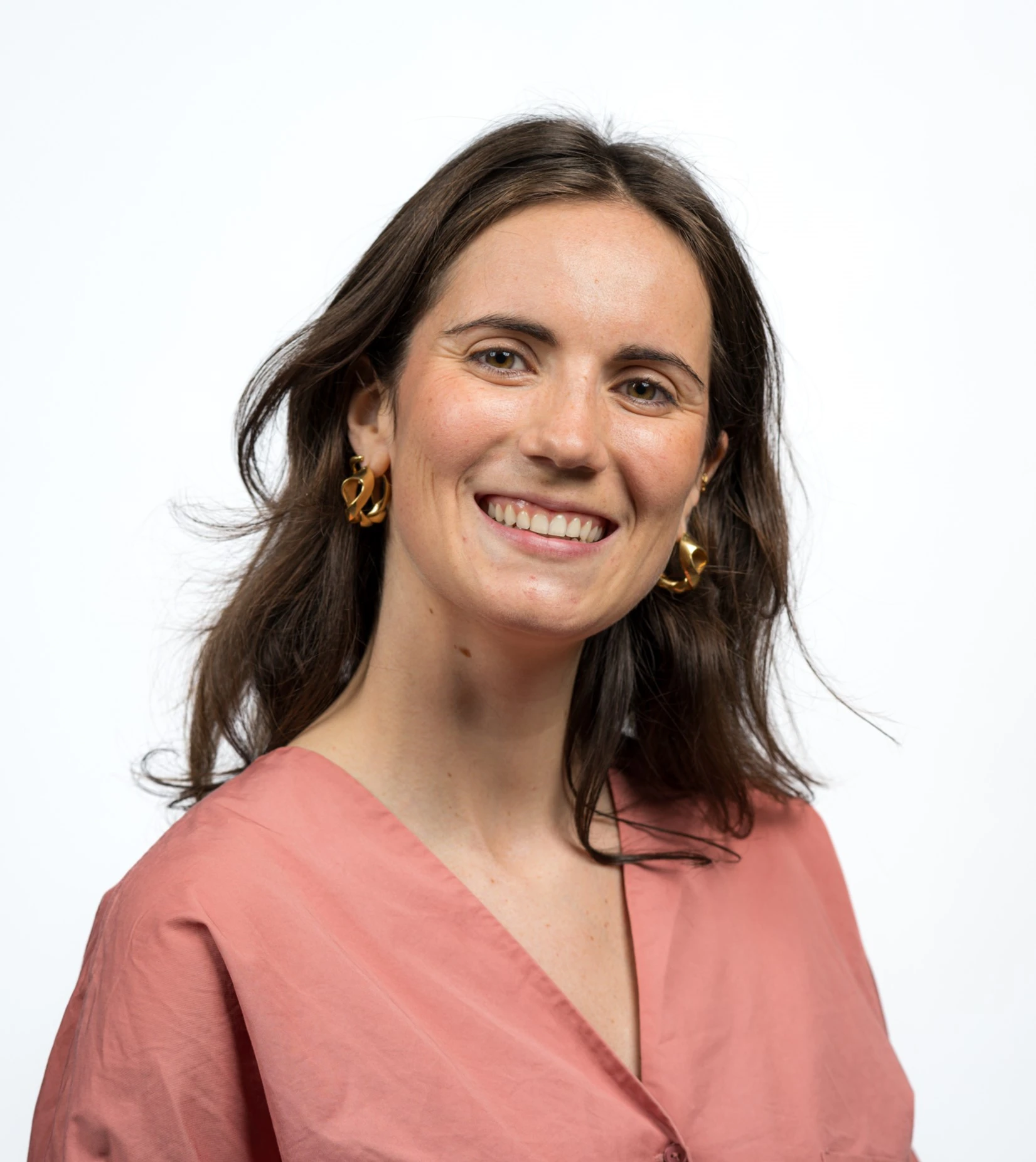
Ilana Caro-Châtelier obtained a Master's degree in Genetics, Genomics and Systems Biology from the University of Nantes (2021). She joined the ELEANOR team during her Master's internship, where she developed the Optimir2 pipeline for the alignment and quantification of miRNAs and other small non-coding RNAs. Ilana completed a PhD under the supervision of Professor Debette, focusing on the characterisation of the mechanisms of small vessel disease in the brain through the study of multi-omic biomarkers, and successfully defended her thesis on 12 December 2024. She is currently a postdoctoral researcher and is continuing her research in line with her doctoral work.