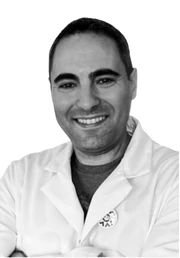



Yacine Boulaftali, Paris Cité University
-
On 27 November 2026Amphi DEfalse false
-
11h30
Thrombo-inflammation in intracranial aneurysms: from vascular remodeling to rupture
Thrombo-inflammation in intracranial aneurysms: from vascular remodeling to rupture
Yacine Boulaftali, PhD
INSERM U1148 – Laboratory for Vascular Translational Science (LVTS). Université Paris Cité
Hôpital Bichat – Claude-Bernard, Paris, France
Biography
Dr. Yacine Boulaftali is an INSERM researcher at the Laboratory for Vascular Translational Science (LVTS), INSERM U1148, Université Paris Cité, Paris, France. After earning his PhD in 2010 from Université Paris Cité, he undertook postdoctoral training at the University of North Carolina at Chapel Hill (USA) from 2010 to 2015, in the laboratory of Dr. Wolfgang Bergmeier, where he studied platelet signaling in inflammatory processes. He was appointed INSERM Research Scientist in 2016 and was awarded an ERC Starting Grant in 2018, which enabled him to establish and consolidate his independent research group. His research focuses now on thrombo-inflammation in vascular diseases, with a particular emphasis on intracranial aneurysms. He investigates how platelet receptors and platelet-derived mediators shape vascular inflammation, extracellular matrix remodeling and vascular wall integrity, and how these mechanisms influence aneurysm progression and rupture. Combining experimental disease models, advanced imaging approaches and translational studies in human cohorts, his work aims to unravel the mechanisms underlying intracranial aneurysm pathophysiology and identify novel therapeutic strategies to prevent aneurysm rupture.
Abstract
Intracranial aneurysms are pathological dilations of cerebral arteries that can lead to aneurysmal subarachnoid hemorrhage, a devastating condition associated with high mortality and morbidity. Although hemodynamic stress and vascular wall remodeling are recognized contributors to aneurysm development, the cellular and molecular mechanisms driving aneurysm progression and rupture remain incompletely understood.
Emerging evidence highlights the involvement of thrombo-inflammation, a process involving reciprocal interactions between platelets, coagulation factors, immune cells and the vascular wall. My research focuses on understanding how platelets contribute to intracranial aneurysm pathophysiology, beyond their classical role in hemostasis. In particular, we investigate the contribution of platelet receptors such as glycoprotein VI (GPVI), platelet-derived mediators such as platelet factor 4 (PF4) to vascular inflammation, extracellular matrix remodeling and aneurysm stability.
Combining experimental models of intracranial aneurysms, advanced imaging approaches and translational studies in human cohorts, our work aims to decipher the mechanisms linking thrombo-inflammation to aneurysm progression and rupture. Ultimately, identifying these mechanisms may open new therapeutic perspectives to prevent aneurysm rupture.